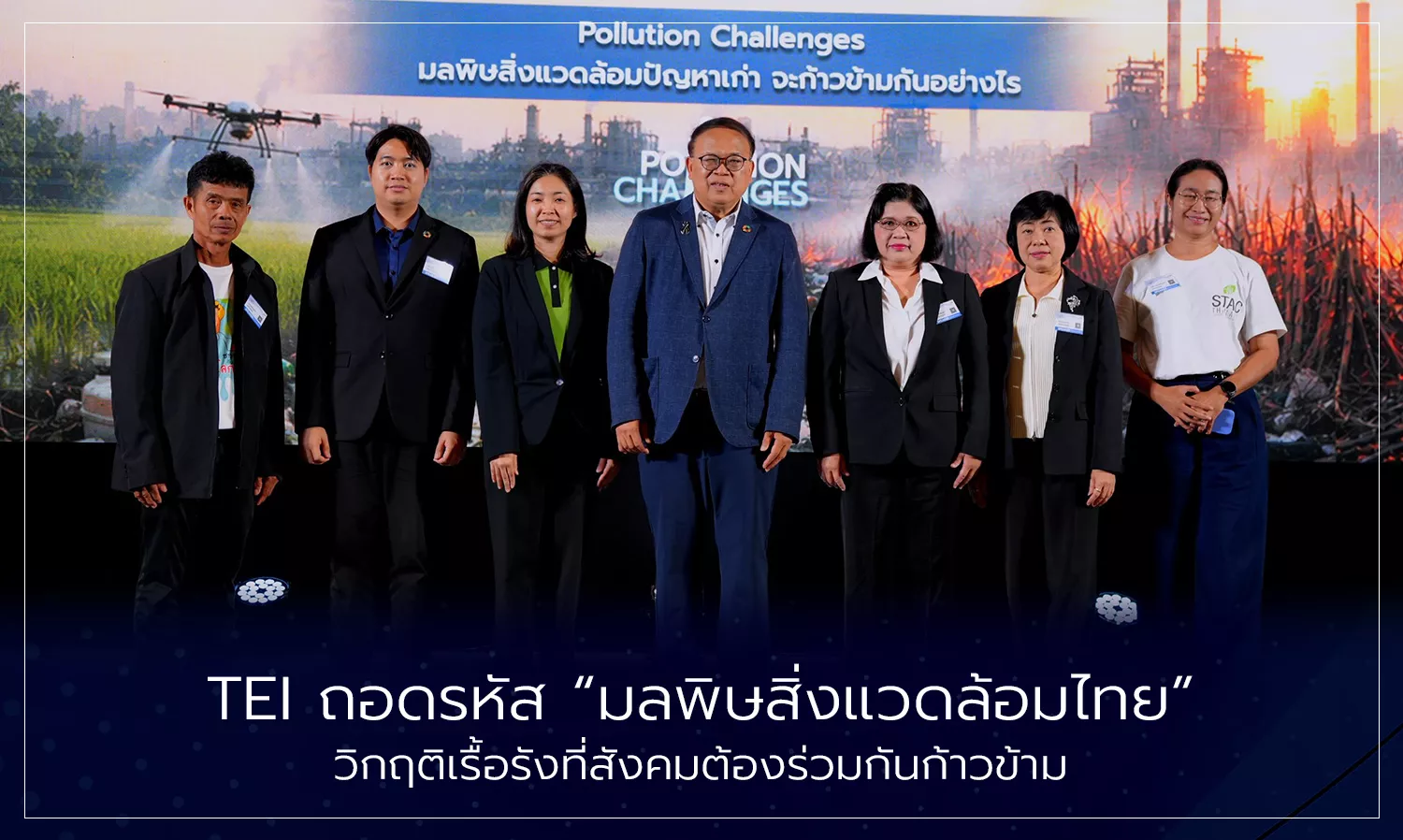
TEI Decodes 'Environmental Pollution in Thailand': A Chronic Crisis That Society Must Overcome Together
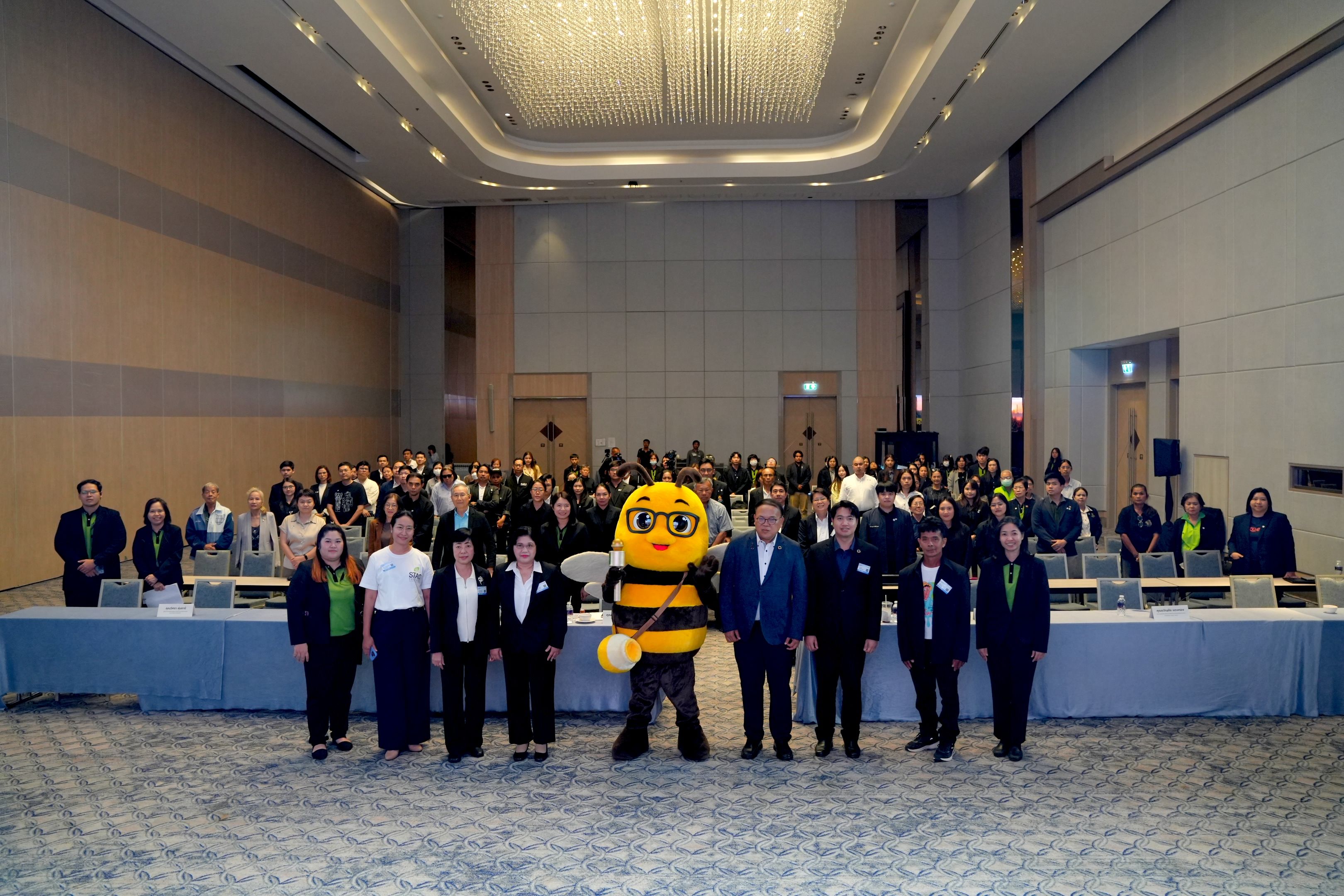
Despite Thailand's continuous advancement in environmental policy, it is undeniable that "pollution problems" remain a significant challenge impacting our economy, health, and quality of life. On the occasion of the 33rd anniversary of the Thailand Environment Institute (TEI), a seminar titled 'Global Environment, Thai Environment: Adjusting to Survive, Knowing to Survive' was held, featuring a discussion on 'Environmental Pollution: How to Overcome Old Problems to Illuminate the Country's Major Issues and Find Solutions Together Before Environmental Costs Become the 'Cost of Life' Everyone Must Pay.'
Complex Crisis and Impacts Closer Than We Think
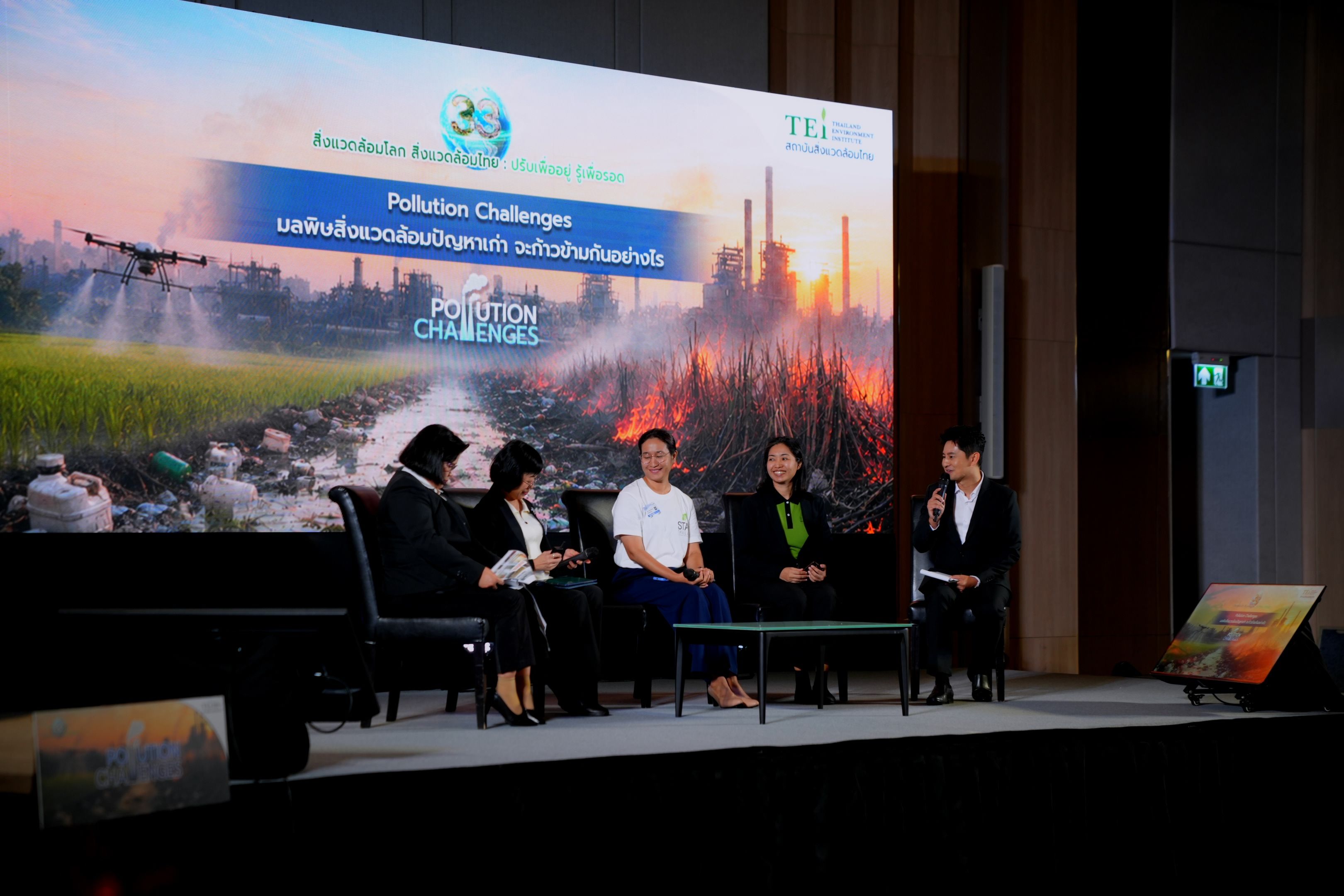
The discussion highlighted two key issues: 'Opportunities and Adaptation of the Manufacturing and Service Sectors', which is crucial for enhancing the potential of Thailand's industrial sector amidst rapidly changing environmental and economic challenges. It emphasized turning crises into opportunities through the promotion of a circular economy, transforming 'waste' into 'resources' that create added economic value. This includes effective industrial waste management, pollution control and reduction at the source, elevating environmental standards and practices in production processes, and adapting the Thai tourism sector to be resilient and sustainable in the face of crises, aiming to balance economic growth with environmental preservation.
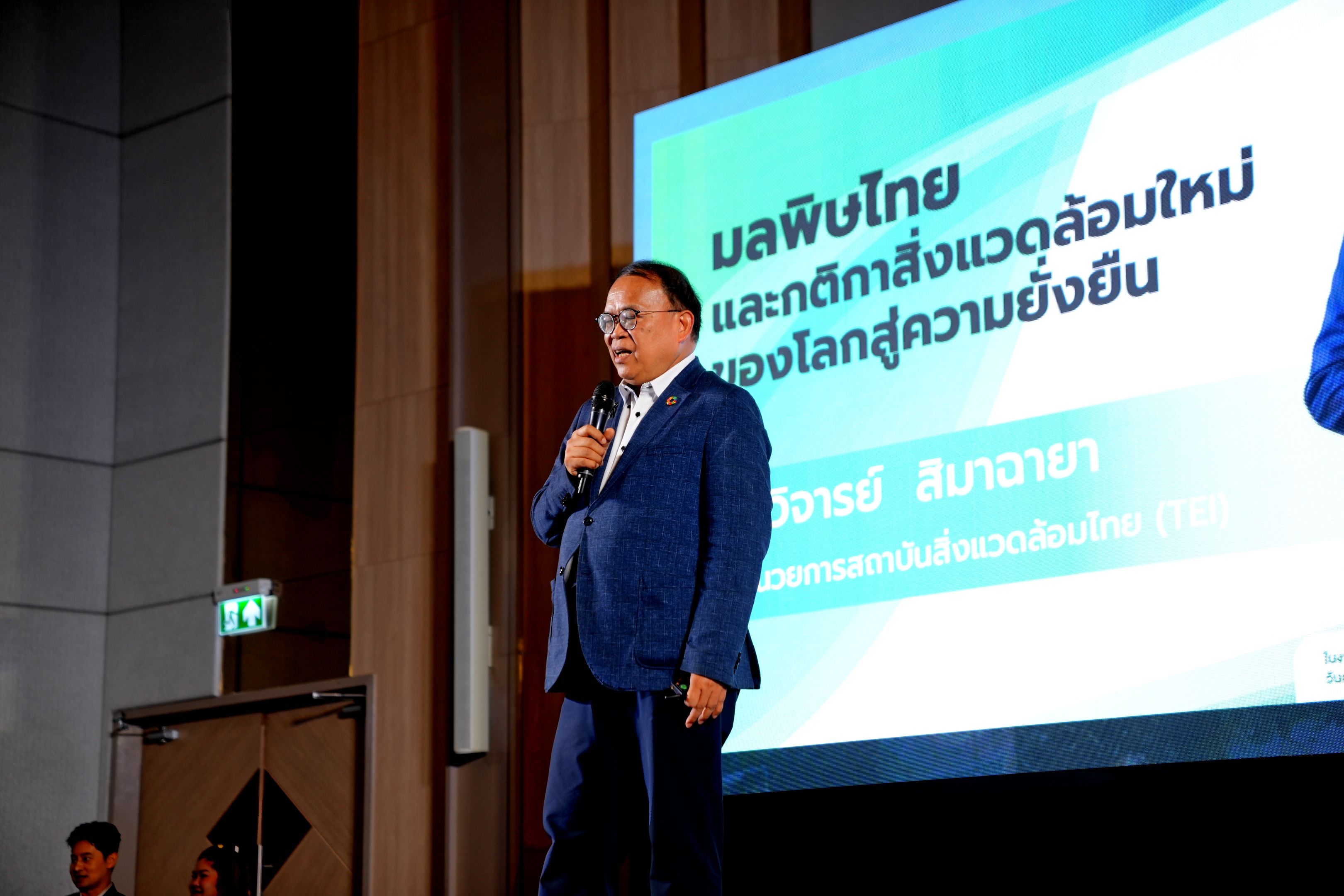
As for the second issue, 'Opportunities and Adaptation of the Community and Agricultural Sectors' reflects the vital role of grassroots sectors in driving sustainable environmental management. It raised pressing challenges such as community waste and wastewater management, which remain urgent issues to address. It also proposed empowering community networks to take proactive roles in preventing and solving PM2.5 problems in northern regions through public participation and local collaboration, as well as enhancing systematic environmental management, focusing on transforming 'leftovers' from industries into valuable resources, creating income and new economic opportunities for communities, alongside developing a systematic pollution management system aimed at achieving balanced and sustainable development in economic, social, and environmental aspects.
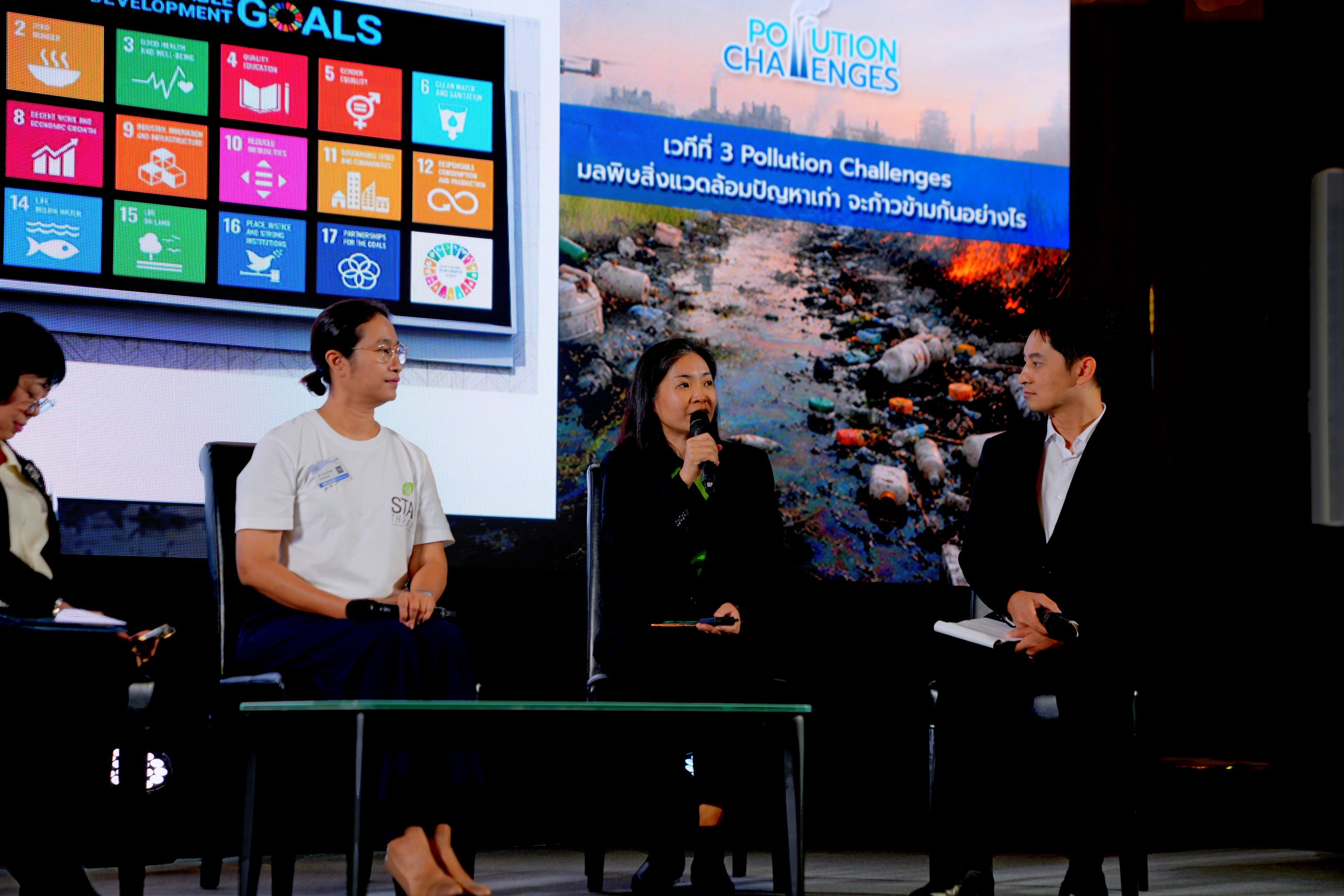
Participants in the discussion unanimously agreed that these issues are not merely old problems but are evolving into new, more complex challenges under the context of climate change, urban growth, and rapidly changing consumption behaviors. Thus, current pollution management goals are not only about preserving the environment but also involve other dimensions, such as PM2.5, which has been a major topic of discussion due to its impact on people in various areas, especially in the north, Bangkok, and large urban areas. Despite government measures to control burning, manage biomass fuel, and continuously monitor air quality, long-term solutions require scientific data and participation from all sectors, particularly through the use of technology and satellite data to accurately track pollution sources, as well as creating economic incentives for farmers to reduce burning in agricultural areas. Therefore, solutions can no longer be viewed solely from environmental or public health perspectives, as the impacts have clearly expanded to the economy, tourism, and the quality of life of citizens.
 Waste Overflowing Cities
Circular Economy: Opportunities and Adaptation for Survival
If we continue to address problems in a fragmented manner, this crisis will never end. The discussion highlighted hope and practical approaches through two key dimensions:
1. Adaptation of the Manufacturing and Service Sectors: Amidst stricter global environmental regulations, such as carbon taxes, businesses must turn crises into opportunities through the concept of a circular economy, which goes beyond recycling to include designing products, production processes, and recovery processes to transform 'waste' into 'valuable resources,' enhancing long-term competitiveness.
2. Empowering Community and Agricultural Sectors: The grassroots sector is crucial in managing wastewater, community waste, and PM2.5 dust in northern areas. Building networks for community participation to transform waste into income will lead to balanced development across economic, social, and environmental dimensions.
This seminar reflects the collaboration of all sectors in driving integrated environmental management, aiming to reduce pollution, enhance resource efficiency, and improve the quality of life for citizens, alongside developing effective pollution management systems and resource utilization, creating a balance between economic growth and environmental conservation, while strengthening both industrial and community sectors, leading to stable, sustainable national development that is well-prepared to face future challenges effectively.